0
0.00 £

Genetics and Health

Epigenetics is powerful. Science shows that it’s not just the genes you were born with, but what you eat and how you live that defines your health destiny.

Epigenetics: The Basics

You Are More Than Your DNA

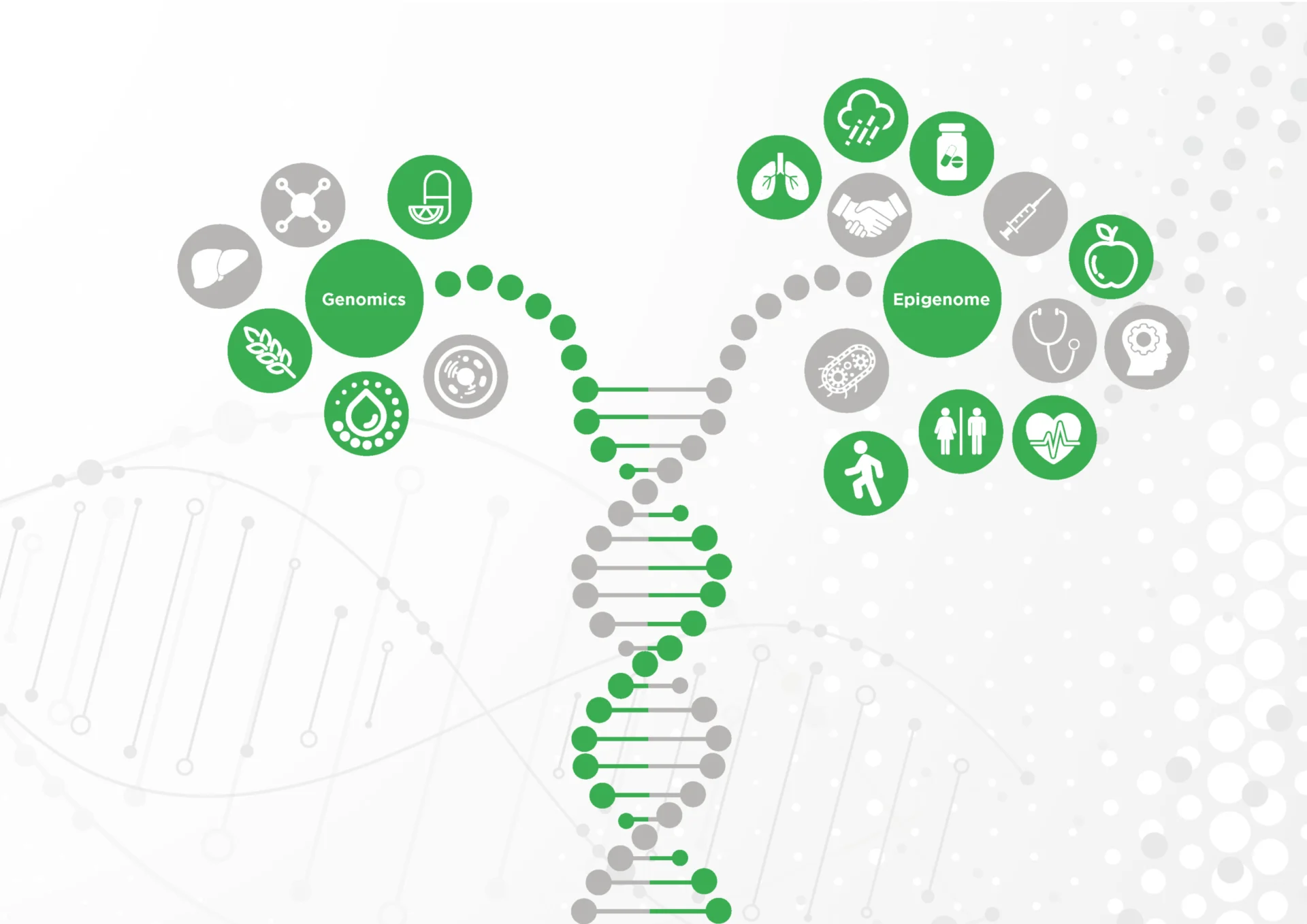
For years, it was believed that our genetic destiny was set in stone. However, the science of Epigenetics reveals that while we cannot change our DNA sequence, we can influence how those genes behave.

Factors like diet, stress, exercise, and toxins can “switch” genes on or off (silenced or expressed). This means that even if you have a genetic predisposition for certain health conditions, your lifestyle choices act as the control panel.

“Taking the time to learn about the health conditions that run in your family and your genetic variants can be worthwhile. It can help you understand your own health risk and make healthy lifestyle choices.”

The Mechanism

What is Gene Expression?

Gene expression refers to the process where information from a gene’s DNA sequence is translated into a substance, like a protein, that is used in a cell’s structure or function.

DNA

The blueprint. Your genetic code sits within the cell nucleus.
Transcription

Information is copied from DNA to create messenger RNA (mRNA).

Translation

The ribosome reads the mRNA to assemble amino acids.

Protein

Amino acids fold into enzymes or proteins that power your body.

Clinical Application

How Variations Affect You

Research indicates that over 99% of our genes are the same. It is the tiny variations (SNPs) that make the difference in our health risks, appetite, and metabolism.

The FTO Gene

Known as the "Fat Mass and Obesity" gene, variants here are involved in appetite regulation and weight gain. The Impact: Individuals with certain variants may have a reduced ability to feel full after eating, leading to overeating. However, exercise can lower that risk by 30%.

Transcription

Information is copied from DNA to create messenger RNA (mRNA).
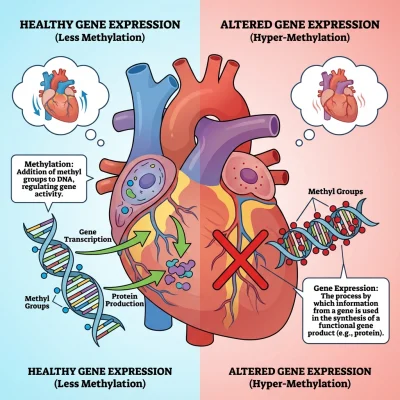
Methylation & Gene Expression

Methylation is the addition of a methyl group (CH3) to DNA. Think of it like a wheel on a car. A properly functioning methylation pathway means a smooth, round wheel that lets the body run fast and efficient.

Poor methylation (often caused by lack of B vitamins or genetic variants) is like a wobbly wheel. It slows down detoxification, neurotransmitter regulation, and inflammation control.

heart

Nutrigenomics: Food as Information

Nutrigenomics is the study of how foods affect our genes. The food you eat is not just calories; it is information that tells your body how to function.


The Twins Study

Identical twins share the exact same genes. However, if one twin develops schizophrenia (50% risk) or heart disease, the other twin does not always get it. This proves that environment and diet drive 50% of the outcome.


The Queen Bee Study

A worker bee and a queen bee have the exact same DNA. The only difference is the Queen is fed Royal Jelly. This nutritional input changes her gene expression, allowing her to grow larger and live longer.


Ready to Take Control of Your Health?

Unlock your genetic potential with our simple home DNA test kit. Understand your body, optimize your diet, and live healthier.